#77 - How I drive our culture at Homegrown with thoughtful transparency
A raw share originally posted to LinkedIn

Originally posted to LinkedIn here as a “quick write.” Slight edits below.
Last night I had a chance to get to talk to a group of extremely bright, passionate students at Bucknell University about, among many topics, the power of radical transparency in team culture.
I think the way we practice thoughtful transparency at Homegrown is better than what I've seen at other firms. I saw what I thought was broken about these models, mainly that it became an excuse for people to be assholes.
And in their being assholes, they diluted the power of their feedback with the distraction of their tone and un-thoughtful delivery.
At Homegrown, we practice a newer form of radical transparency, but it's not just sharing your views often with blatant disregard for how the message might be taken.... It is warmth amidst candor. It is patience. It looks like:
"Hey, first off you know you're great. You wouldn't be here if I didn't think that. We're capable. But we did not do our job in that meeting. It did not go well... And i'm not feeling great about it."
"I (Michael) just didn't show up effectively. I didn't manage time like I should have, and I was multi-tasking 15 minutes in when a key insight was shared and I missed it. Not good. Not good."
Next time, I think I need to do X, Y, and Z. In particular, I need to make sure i'm giving more space to you, so that your Zone of Genius can show up with more space. What do you think? How wrong am I?"
And I'm co-processing this with my team. I want for them to see me being intensely self-critical, AND I want for them to help me see things I didn't see, because we all miss things. I miss things all the time. All the time.
I'm also giving the same feedback to them regularly. However, it's important to contextualize your feedback. Sure, you can just say, "You sucked there" but that's not really helpful or specific 😀 , and it probably doesn't set the other person up to grow faster. They will waste time feeling toxic emotions instead of focusing "maximum compute" on deeply understanding why they performed below expectations and how they can improve.
Instead, it's reminding people of their strengths while you're GUIDING them on how to improve. It's reminding your colleagues that even world-class athletes have bad matches/games. The best ones don't let a lost game define them, they review the tape, take it seriously, come up with a plan to improve, and then they f*cking do it with no excuses.
Everyone on our team knows this is how we operate. It's not for everyone, but if you get it, you'll grow in ways that simply aren't possible at other places.
And why was I talking to a group of juniors and seniors about this? It's because this style of coaching is so important especially when you're starting a career or having to re-configure your own operating model in a new role / job. This orientation towards feedback is the difference between evolving and winning or stagnating and being left behind.
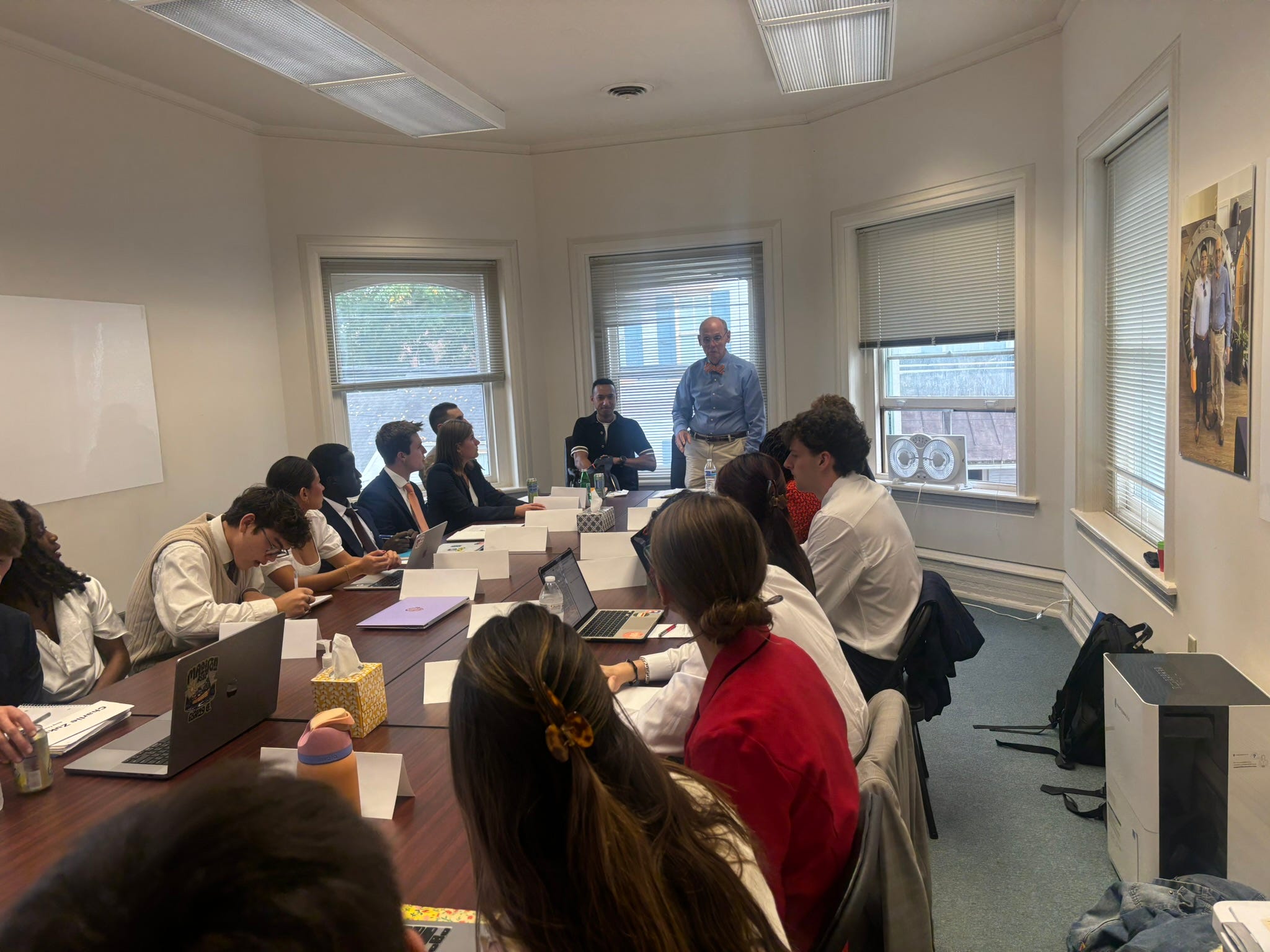

Note: the session mentioned above was part of a leadership seminar series with Bill Gruver, a legendary professor at Bucknell, and a member of the Open Discourse Coalition. As a side note, I have always enjoyed throughout my life being able to talk to people who have opinions that differ from my own. Safe spaces for real open discourse are increasingly rare, and despite the polarization that happens in the world today, I firmly believe that we need more spaces where people who disagree can talk to each other in ways that are empathetic, respectful, and centered on finding real solutions to hairy problems facing our society.